back to impact
building a clearer experience for complex fleet operations
turning a future mobility concept into a practical experience for fleet managers, service centres and field teams.
50%
faster operational decision-making
industry
mobility and transportation
type
electric fleet management platform
mandate
concept-to-prototype experience design
the platform
a global consulting leader was exploring how electric mobility fleets could be managed with greater visibility and control as operations became larger and more complex.
the concept brought together fleet oversight, servicing, deployment and ai-assisted route planning. clarient helped turn that vision into a working product experience across desktop and mobile, designed around the people responsible for keeping vehicles moving.

the product brief
clarient was brought in to translate a strategic concept into an experience that could be tested in real operating scenarios.
the work covered user research, information architecture, ux and ui design, prototyping and the creation of a reusable design system. desktop and mobile experiences were developed together, while recognising that managers and field teams worked in very different environments.
our contributions
User ResearchUX StrategyInformation ArchitectureUI DesignInteraction DesignInteractive PrototypingDesign System CreationDesktop and Mobile Experience

the operating complexity
fleet operations look very different depending on where someone sits in the system.
managers needed visibility across vehicles, servicing and deployment. service centres needed to understand workload and asset status. field teams needed to complete tasks quickly while moving between locations.
the platform had to bring those needs together without forcing every user into the same experience.
ai-assisted routing added another consideration. the system could guide decisions, but users still needed to understand and control the choices being made.
the design response
research began with the decisions each user needed to make during a typical day.
that gave the team a clearer basis for deciding what belonged on the desktop, what needed to travel with field users and where ai could assist without taking over the workflow.
give managers a clearer operating view
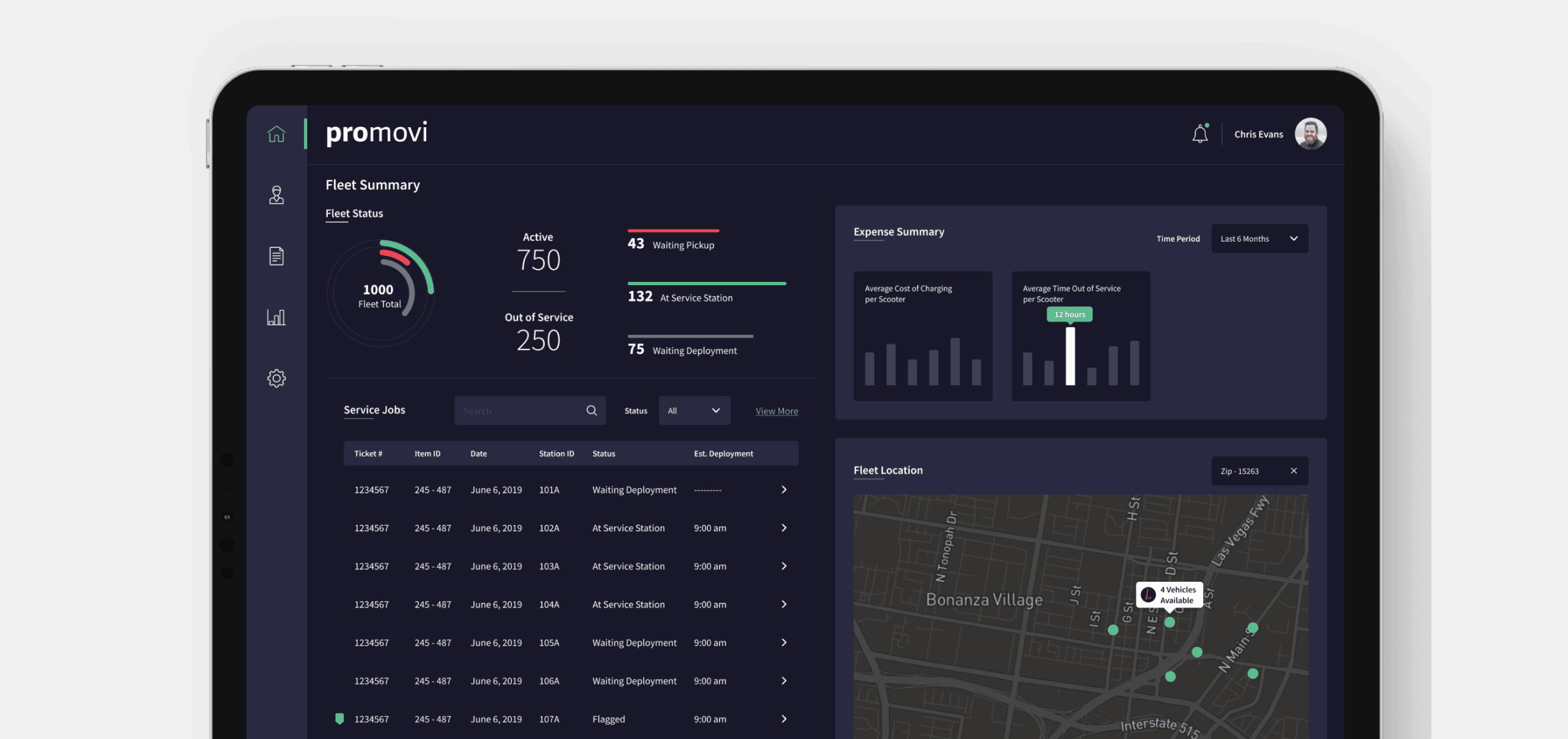
dashboards brought fleet data, asset status and operational priorities into views designed around decisions rather than reporting alone.
managers could move from information to action without first having to interpret a crowded interface.
design mobile around the job in front of the user
the field experience prioritised quick actions and essential information.
task flows were designed for technicians working in active service environments where speed and clarity mattered more than feature density.
keep ai useful and understandable
route planning used ai to support operational decisions while leaving the final choice with the user.
the experience showed recommendations in context, making the intelligence useful without turning the system into a black box.
give managers a clearer operating view
dashboards brought fleet data, asset status and operational priorities into views designed around decisions rather than reporting alone.
managers could move from information to action without first having to interpret a crowded interface.
design mobile around the job in front of the user
the field experience prioritised quick actions and essential information.
task flows were designed for technicians working in active service environments where speed and clarity mattered more than feature density.
keep ai useful and understandable
route planning used ai to support operational decisions while leaving the final choice with the user.
the experience showed recommendations in context, making the intelligence useful without turning the system into a black box.
the impact
clarient helped move the mobility concept from an early product idea to an experience stakeholders could see, test and evaluate in realistic operating conditions.
the desktop experience gave fleet managers and service centres a clearer view of vehicles, servicing activity and deployment priorities. information visualisation helped important changes stand out, while role-based layouts kept each user focused on the work most relevant to them.
the mobile experience followed a different logic. field teams were given shorter task paths and access to the information they needed while moving between vehicles and service locations.

a reusable component system connected both environments. common patterns created consistency across desktop and mobile, while still allowing each interface to respond to different working conditions.
the design also gave users greater control over how information was presented. personalised layouts, light and dark modes and configurable views helped the product adapt to different roles and environments.
ai-assisted routing was integrated as part of the operating experience rather than treated as a separate feature. Recommendations could support planning and rerouting while keeping the user involved in the final decision.
early pilot indicators provided for the project showed a 40% increase in operational efficiency, 35% faster servicing and deployment workflows, and 50% faster decision-making through clearer information and ai-assisted workflows.
the larger outcome was a credible product framework that showed how a complex mobility operation could work as one connected experience across managers, service centres and teams in the field.